Facebook encourages you to “pay to play”

The organic (free) reach of Facebook decreases again
 Will the relentless push to monetise ultimately lead to the downfall of Facebook? Probably not, but more recent changes have once again diminished the marketing potential for small businesses. Over the last couple of years, Facebook has quietly decreased its organic reach – i.e. the potential for your post to reach your fans’ news feeds, without publicly announcing too much about it. However, earlier this month Facebook addressed users growing concerns directly by stating the following:
“… Competition for each News Feed story is increasing. Because the content in News Feed is always changing, and we’re seeing more people sharing more content, Pages will likely see changes in distribution. For many Pages, this includes a decline in organic reach. We expect this trend to continue as the competition for each story remains strong and we focus on quality.“
A further official comment then went on to say that the best way for a business to get their content seen is to pay for it.
So no real ambiguity here – even where you’ve built up a sizeable community, don’t expect your content to reach them all. In fact, the data suggests that you might well be reaching less than 10% of them unless you pay.
This is a bitter pill to swallow for businesses, including dentists, who have put a great deal of time into developing their Facebook presence and building a loyal fan base – only to find that their content is simply not reaching them. Of course every business, Facebook included, needs to generate profit and no doubt we should all have seen this coming; however the speed and scale of it has taken many by surprise.
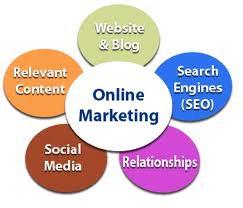 With 2014 just around the corner and more dentists realising that the web is a primary source of new patient enquiries, it’s timely to conduct a quick review of the main dental marketing tools to bring into action for the new year ahead.
 If you are serious about your dental practice website you will want to know that it is performing as well as possible and gaining the best possible exposure in search engines.
 As more dental practices start to roll out their social media campaigns, it’s natural to see mistakes made as the staff involved find their feet and get up to speed. To help avoid these common errors, here’s a quick summary of the main culprits. Forewarned is forearmed so hopefully our list of common errors will allow you to step in quickly to get things back on track.
 Broadcasting useful content via social channels is a proven technique for helping to drive traffic to a dental website. Twitter, Facebook and Google+ are all key components in the web marketing tool-kit and now in common use.
 One of the more difficult “sells” we have to make when explaining the benefits of web marketing to dentists is the value of social media and where it sits within the overall strategy. It’s relatively straightforward to convey the obvious benefit of social media i.e. engagement and the subtle selling opportunities that this offers. However, more recently, the value of social media for
  We recently covered a range of AdWords (PPC) configuration mistakes we often see when taking over ‘home spun’ dental pay-per-click campaigns. We are usually approached to help where campaigns have been set up superficially, subsequently perform badly and waste a lot of money. You can catch up with that earlier article
  Google provides several important web ‘properties’ to help local businesses, including dental practices, advertise themselves on the web. The key ones are Google Places for Business, map page and G+ business page. Possibly due to the slightly confusing way that Google integrates these properties and also frequent updates to format, many businesses fail to use them to best effect. In fact we see very few dentists who have them set up correctly.
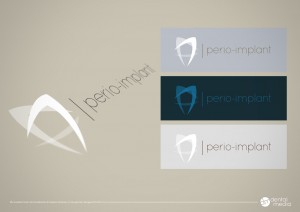 One of the main foundations for the new visual brand was the development of a practice logo. Following detailed discussion with the client and completion of a thorough questionnaire, the Dental Media graphics team worked to research the client’s market, target demographic and competition.